

What Is Bulk Chemical Tolling?
Bulk chemical tolling is the outsourced production of industrial chemicals at commercial volumes according to defined formulation, process, quality, and packaging requirements.
Instead of adding internal blending capacity, staffing another production operation, or forcing a formula into equipment that does not fit the process, a company works with an outside chemical manufacturer to produce the material.
The tolling program starts with clear requirements:
- The chemistry or formulation being produced
- The required production process
- Raw material requirements
- Quality and traceability expectations
- Batch and recurring volume requirements
- Packaging and delivery format
- Documentation requirements
The result is a structured manufacturing relationship built around repeatability. Bulk chemical tolling is not simply purchasing a finished chemical from a catalog. The product is produced for a specific customer, program, application, or supply requirement.
Bulk Chemical Tolling vs. General Chemical Blending
The terms chemical tolling, toll blending, custom chemical blending, and contract chemical manufacturing are often used together. The commercial need behind each one is different.
| Service | Primary Need | Typical Focus |
|---|---|---|
| Bulk chemical tolling | Outsource commercial-scale production | Repeat volume, consistency, traceability |
| Toll blending | Have a third party blend a defined product | Formula execution and production |
| Custom chemical blending | Produce chemistry around specific requirements | Application and formulation needs |
| Custom formulation | Develop or improve the chemistry itself | Performance, testing, and technical development |
| Private label manufacturing | Produce chemistry for sale under another brand | Product, packaging, labeling, and market readiness |
| Bulk chemical supply | Purchase an existing chemical in volume | Product availability and supply |
The right path depends on where the product stands today. A finished formulation with established production requirements needs a different process than a chemical that still requires performance testing or formulation work. We determine that early so development work, scale-up, and recurring production stay aligned.
When Does Bulk Chemical Tolling Make Sense?
Bulk chemical tolling makes sense when chemical production has become a capacity, consistency, or operational constraint.
Internal Production Is Pulling Resources From Core Operations
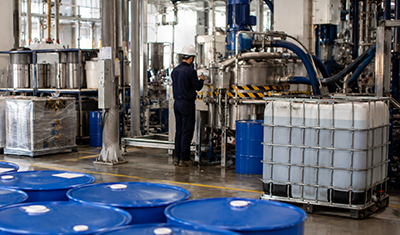
Chemical production requires attention to materials, processing, documentation, quality, packaging, and production scheduling.
For companies whose primary business is not chemical manufacturing, those requirements consume plant space and operational resources. Outsourcing the production allows the internal team to stay focused on the processes that directly support its core business.

Demand Has Outgrown the Current Production Setup
A process that works for development quantities does not automatically fit recurring commercial demand.
As volume increases, manual work, inconsistent batching, limited production availability, and packaging bottlenecks become larger problems. Bulk tolling provides a defined production path for products that have moved beyond occasional or small-run requirements.
A Product Needs More Consistent Production
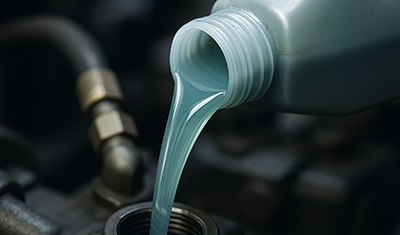
Inconsistent chemical production creates downstream problems including:
- Changes in process performance
- Production interruptions and rework
- Excess chemical use and waste
- Cleaning problems
- Customer complaints
- Difficulty troubleshooting failures
Bulk chemical tolling delivers repeatable production that meets quality requirements.
Existing Equipment Is Better Used Elsewhere
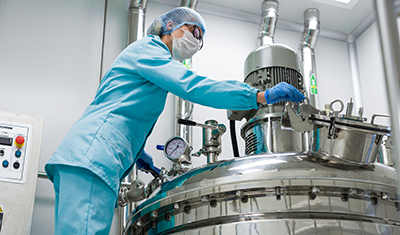
Not every formula belongs in every production environment.
A company also does not need to dedicate internal equipment to a product when that equipment is more valuable for other work. Outsourced production separates the chemical manufacturing requirement from the customer’s internal equipment constraints.

Supply Continuity Requires a More Structured Manufacturing Process
A successful industrial chemical program is more than producing one acceptable batch. The manufacturing process needs to support recurring requirements. That includes clear specifications, traceability, production planning, packaging, and technical communication.
For manufacturers that depend on chemistry to keep their own operations moving, supply reliability becomes part of process reliability.
What We Need to Understand Before Bulk Production Begins
A strong bulk chemical tolling program starts before the first production run. We need to understand the product, the process, and the operating requirements around it.
The Formula and Product Requirements
We first establish what is being produced. That includes the existing formulation or agreed product specification, along with the characteristics that define an acceptable finished product. Where a product still requires technical work, our custom chemical formulation and lab testing team supports the evaluation before recurring production begins. PICO’s current capabilities include custom formulation, compatibility and stability testing, pH and viscosity measurements, residue analysis, and product validation.
The End Use
The same general type of chemistry serves very different operating environments.
We work across industrial chemical categories that include:
- Machining fluids
- Metal forming lubricants
- Industrial cleaners and degreasers
- Paint, ink, and coating removers
- Rust and surface protection products
- Cutting table fluids
Understanding the application matters because the chemistry ultimately has a job to do. It needs to clean, lubricate, protect, condition, remove, or support a defined industrial process.
Production Volume
Bulk chemical tolling is built around production requirements, not an arbitrary definition of “bulk.” We evaluate the required volume, recurring demand, product complexity, and packaging needs together. PICO supports programs from pilot-scale work through full production, with fills available in pails, drums, totes, or bulk formats.
Quality Requirements
The acceptable finished product needs clear requirements. That means identifying the controls, measurements, and documentation tied to the product. Our quality management system is certified to ISO 9001:2015 for the design and manufacture of defined specialty chemicals, lubricants, and resin additives. Quality requirements should be established before recurring production begins, not negotiated after an inconsistent batch creates a problem.
Packaging Requirements
The production process is not complete when blending ends. The product still needs to reach the customer or end user in the correct format. Our current manufacturing capabilities support pails, drums, totes, and bulk packaging. Packaging requirements belong in the early program discussion because they affect how the finished product moves into the next stage of the supply chain.
From Pilot Work to Recurring Bulk Chemical Production
Not every chemical program starts at full production volume. Some products are already established and ready for transfer. Others require technical evaluation, validation, or pilot production before recurring bulk manufacturing begins. Our process follows the actual status of the product.
1. Define the Product and Production Requirements
We start with what is known. That includes the formula or product requirement, application, quality expectations, current production status, volume, and packaging. This step prevents a common problem: treating a formulation question like a manufacturing problem or treating a manufacturing problem like a formulation project.
2. Identify Technical Gaps Before Scale-Up
When the chemistry requires additional work, we address it before recurring production. That work is handled through our custom formulations and lab testing capabilities. We support product development and evaluation based on the requirements of the application and production program.
3. Establish the Production Path
Once the chemistry and requirements are defined, the program moves into a controlled production process. The objective is repeatability. Materials, specifications, processing requirements, quality expectations, and packaging need to align before the product becomes a recurring production responsibility.
4. Produce and Package the Material
The finished material is produced against the defined program requirements and placed into the agreed packaging format. PICO’s toll blending capabilities are built around consistent, confidential production with full traceability.
5. Support the Ongoing Program
Bulk tolling relationships are operational relationships. Products change. Demand changes. Applications create questions. Production teams uncover new problems.
We stay close enough to the process to understand what is happening and help address issues when they reach the chemistry.
What Creates a Strong Bulk Chemical Tolling Relationship?
Price matters, but it is not the only factor that determines whether a tolling program works. The wrong production relationship creates costs elsewhere.
Clear Technical Communication
A manufacturer needs to understand what the product does, where it is used, and which requirements matter most. A number on a specification sheet does not always explain the operational consequence of variation. Technical context helps the manufacturing team focus on the requirements that protect the process and finished product.
Repeatable Quality
Bulk production needs consistency. That is especially important when the chemical supports critical processes such as machining, forming, cleaning, coating removal, corrosion protection, or equipment maintenance. In metalworking and fabrication operations, chemistry directly affects factors including friction, heat control, surface condition, cleaning, and corrosion protection.
Traceability
When a problem occurs, the team needs facts. Traceability supports the investigation of raw materials, production history, and finished batches. Without it, troubleshooting becomes guesswork
Confidentiality
A tolling partner is working with customer-specific product and production information. PICO’s toll blending service is structured around confidential blending, whether we are following customer specifications or agreed PICO chemistry. Formula ownership and intellectual property terms should always be defined through the appropriate commercial agreements before production begins
Practical Problem-Solving
Industrial production does not operate in perfect conditions. Materials change. Processes create residue. Equipment wears. Production schedules tighten. Customer requirements evolve. We approach tolling programs the same way we approach the rest of our work: understand the process, identify what is creating the problem, and address the chemistry that affects the operation
Bulk Tolling for Different Industrial Chemical Programs
Bulk chemical tolling supports a wide range of industrial requirements. The production approach depends on the chemistry and end use.
Metalworking and Manufacturing Chemicals
Manufacturing operations rely on fluids to reduce friction, manage heat, clean parts, protect surfaces, and support downstream processing.
Our product experience includes metal forming lubricants, machining fluids, cleaners, and corrosion protection products used throughout industrial production. PICO’s metal forming portfolio includes chemistries for drawing, stamping, tube bending, vanishing lubrication, extrusion, and cold heading. That familiarity matters when evaluating a tolling program tied to real production requirements.
Industrial Cleaning Chemicals
Industrial cleaners have to match both the soil and the process. Oil, grease, cured material, process residue, coatings, and other contaminants require different chemistry. Cleaning method, substrate, rinsing, and downstream operations also affect product requirements.
Our industrial cleaners and degreasers include water-based cleaners, solvent-based cleaners, fastener cleaners, floor cleaners, and tank and reactor cleaners.
Paint, Ink, Coating, Adhesive, and Resin-Related Chemistry
Production environments involving paints, inks, coatings, adhesives, and resins create specific formulation and cleanup challenges. Cured buildup, pigment, residue, contamination between batches, and equipment cleaning all affect uptime and product quality.
We support paint, ink, and coating operations with chemical categories that include removers, industrial cleaners, rust protection products, and equipment maintenance chemistry.
Why Manufacturers Bring Bulk Chemical Tolling Programs to PICO
We have been working with industrial chemistry and manufacturing processes for decades. Our job has never been limited to filling containers. We manufacture chemicals that perform work in demanding industrial environments.
They clean equipment, remove buildup, control friction, protect metal, and support manufacturing processes that need to keep running. That experience shapes the way we approach bulk chemical tolling.
We ask what the product does and what happens when performance changes. We look at the process requirements surrounding the chemistry. And we establish whether the program is ready for production or still needs technical work. Then we build the right path forward.
Our capabilities include custom formulation, lab analysis, toll blending and processing, private label manufacturing, and production from pilot to bulk batch sizes.
For us, bulk tolling is not about being a distant production vendor. It is about taking responsibility for an important part of your chemical supply process and handling it with the practical attention industrial production requires.
Questions to Answer Before Choosing a Bulk Chemical Tolling Partner
Before transferring production, get clear answers to the questions that determine whether the relationship works.
- Does the manufacturer understand the type of chemistry involved?
- Is the product fully developed or does it still require technical work?
- How will specifications and quality requirements be defined?
- What traceability is provided?
- How is confidential product information handled?
- Which packaging formats are supported?
- Does the manufacturer understand the end-use process?
- Who handles technical questions when a problem reaches the plant floor?
- Is the program a one-time batch or a recurring production requirement?
The strongest tolling relationships are built on operational fit, not a quote alone.
Frequently Asked Questions About Bulk Chemical Tolling
Bulk chemical tolling is the outsourced production of industrial chemicals at commercial volumes according to defined formulation, processing, quality, and packaging requirements. The customer and toll manufacturer establish the program requirements before production. The toll manufacturer then produces and packages the material according to those requirements.
Toll blending describes the act of producing a chemical blend for another company. Bulk chemical tolling places greater emphasis on commercial production volume and the broader manufacturing program around the product. That program includes repeatability, traceability, quality requirements, packaging, and recurring supply.
No. PICO supports both established products and programs that still require technical work. Our custom formulation and lab testing capabilities support development, compatibility and stability testing, measurements such as pH and viscosity, residue analysis, and product validation before full production.
Yes. Our toll blending and processing capabilities support production according to customer specifications or agreed PICO formulations. We establish the technical and production requirements before manufacturing begins.
PICO supports fills in pails, drums, totes, or bulk formats. The correct packaging format is defined as part of the production program.
Yes. PICO supports small-run development and pilot-scale work through full production. This creates a direct path for products that require validation before recurring commercial production.
No. Bulk tolling focuses on outsourced chemical production. Private label manufacturing includes producing a chemical for sale under another company’s brand and extends into labeling and packaging requirements. PICO supports both toll blending and private label manufacturing programs.
Start with the product, application, current formulation status, required volume, packaging, and the problem you need to solve. Our technical team reviews the requirements and determines the appropriate path for evaluation, development, pilot work, or production.
Talk With Us About Your Bulk Chemical Tolling Requirements
A bulk chemical tolling program should remove a production constraint, not create another one. The chemistry needs to be understood. The requirements need to be clear. Quality and traceability need to support recurring production. The finished product needs to arrive in the format your operation or supply chain requires.
That is the work we do.
Tell us what you are producing, where the product stands today, and what needs to happen next. Our team will review the application and determine the right production path.
Contact PICO Chemical to discuss your bulk chemical tolling requirements.
